

Okay, so check this out—NFTs used to feel like trying to buy concert tickets during a server meltdown. Wow! Long, clunky steps. Confusing networks. Tiny fees that ballooned into headaches. My instinct said something was off about the UX across most wallets. Initially I thought the problem was purely on-chain complexity, but then I noticed the browser-side flows were equally to blame—bad prompts, confusing confirmations, and UX that assumed everyone was a developer. Seriously?
Phantom changed a few of those assumptions. It didn’t fix everything. But it smoothed a lot of rough edges for typical collectors and creators. On one hand, the wallet extension model is convenient because it lives right in your browser and talks to marketplaces without jumping through a dozen hoops. On the other hand, browser extensions introduce attack surfaces you can’t ignore—permissions, malicious dapps, and sneaky clipboard hijacks are real threats. So yeah, I’m biased toward wallets that prioritize clear consent screens and simple recovery flows. That part bugs me when it’s glossed over.
Here’s the thing. The best extensions make complex cryptography feel invisible until you need it. Medium-length confirmations. Clear nonce warnings. Appropriate warnings for payable transactions. Those are the little things that earn trust. Whoa! When a wallet explains why a permission matters in plain English, non-technical users breathe easier. That small usability win matters a lot for onboarding.
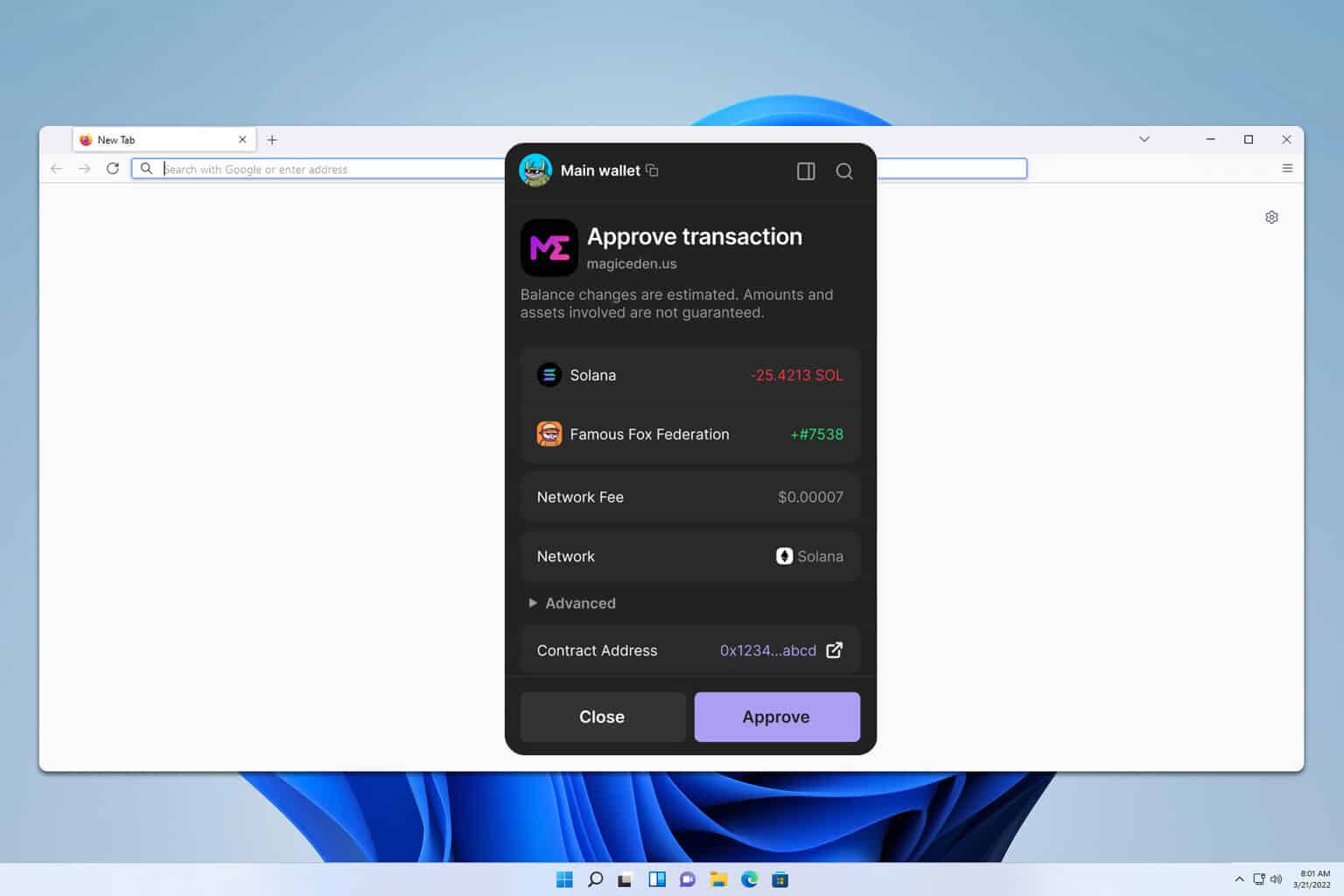
How to think about a Solana NFT wallet extension
First, consider threat models. Short sentence. Keep your seed phrase offline unless you genuinely understand what you’re doing. Hmm… That sounds obvious, but many folks copy seeds into cloud notes—very very dangerous. Wallet extensions should never ask you to upload a seed, and reputable extensions don’t. Initially I thought a lot of bad UI was accidental, but then patterns emerged that looked like product choices that favored convenience over safety. Actually, wait—let me rephrase that: some flows prioritize lower friction at the cost of clarity, and that tradeoff matters more when real value is involved.
Next: integrations. Marketplaces and minting sites query your wallet constantly. On one hand this is convenient, though actually on the other hand it gives many sites potential avenues to request approvals you don’t understand. My gut said to treat every approval like a contract review. That sounds paranoid, but it’s practical: check the amount, check the recipient, and if anything looks odd, pause. (oh, and by the way… keep an eye on delegated approvals; they can persist longer than you expect.)
Practical tip—if you’re exploring Phantom or another Solana wallet extension, try the devnet first. It’s a sandbox where mistakes cost nothing. Try connecting to a known marketplace with a tiny test transfer. Watch gas patterns. Note the prompts. Those small experiments teach you faster than long tutorials. I’m not 100% sure everyone will do that, but I wish more people would.
For readers wanting a direct route to start, consider the phantom wallet download extension as an entry point—download it, set up a new wallet in a controlled way, and practice with small amounts. That link leads to a standard distribution path; verify the extension signature in the store you use (Chrome, Brave, Edge) and double-check the developer details. Don’t trust random mirrors or promo pages that promise “instant mints”.
The UX wins worth praising are subtle. Clear transaction breakdowns. Descriptive token names instead of raw addresses. Helpful modal copy when a dapp requests permission. Those things lower the cognitive load and reduce risky mistakes. Long sentence incoming: when interfaces present the minimum necessary information but still give an escape hatch to view technical details, users can grow from casual collectors into power users without burning their NFTs—or fiat—along the way.
Let me be honest—there’s still friction. Seed phrase backup is a chore. Recovery can be confusing. Fee estimation is sometimes opaque during network spikes. Also, phantom still has choices that might not fit every workflow. For instance, multi-account management is improving but could be more intuitive. I’m not saying it’s broken. I’m saying it’s real work in progress.
Common user mistakes and how to avoid them
Short list. Don’t rush confirmations. Check contract addresses when approving token transfers. Use hardware wallets for large holdings. Keep small, everyday balances in the browser wallet for convenience, and store the rest in cold storage or a hardware wallet. Hmm… does that sound like overkill? Maybe. But losses sting, and regret is a terrible teacher.
Tooling tip: many wallets (including Phantom) support hardware integrations. If you plan to hold high-value NFTs or SOL long-term, pairing the extension to a hardware device adds a strong security layer. On the flip side, hardware adds friction for quick flips or frequent market browsing. So choose based on your behavior—there’s no one-size-fits-all answer.
FAQ
Is a browser extension safe for NFTs?
Short answer: mostly, if you follow hygiene. Use official extension sources, keep software updated, avoid copying seeds into cloud notes, and revoke suspicious approvals. Long answer: browser extensions introduce more risk than purely offline wallets, but they offer usability that matters for daily interactions. Balance convenience and security based on how much value you’re holding.
Should I use Phantom for minting NFTs?
It’s a solid choice for minting because it integrates with major Solana marketplaces and provides clear prompts. However, test on devnet first, and consider a throwaway wallet for initial mints if you expect to click through unfamiliar sites. Somethin’ about free mints attracts shady pages, so be cautious.
Wrapping up—well, not wrapping in a neat bow—I’ll say this: the right Solana wallet extension lowers the barrier to entry for NFTs without hiding the dangers. It’s a balance. I found that small UX improvements multiply into big trust gains. Some choices will feel subjective. I’m curious what you run into. Try it, observe, and keep learning. Life online is messy, and the crypto parts are no exception… but the tools are getting better, and that matters.